

🎤 Quotable quotes: “People don’t care how much you know until they know how much you care."
— Theodore Roosevelt
We were reminded of this recently during a podcast conversation. A host described a coaching scenario we have heard many times. There was one person in the room with enormous potential. Smart. Respected. Influential.
The problem was not capability.
The problem was that this person did not see themselves as a leader.
So the question came next. How does Ted Lasso handle someone like that?
🏟 Why This Matters for You
One of the most consistent themes in Ted Lasso is this.
The best leaders rarely start out wanting the job.
Think about Roy Kent. He did not want to coach. He did not think he was the guy. Ted did not convince him with titles or speeches. He connected with him. He listened. He understood Roy’s values, his pride, and his fear of becoming irrelevant.
Or Sam Obisanya. Thoughtful. Quiet. Principled. Ted saw his leadership long before Sam did. He nurtured it by creating safety and encouraging voice.
Even Rebecca. Strong, capable, but wounded. Ted never told her to lead. He treated her like a leader until she believed it herself.
Ted’s approach was never about pushing people into leadership.
It was about pulling leadership out of them.
And he did it the same way every time.
He built connection first.
Ted took the time to understand what made people tick. What they cared about. What they were afraid of. What they valued. Once he understood that, he knew how to encourage them in ways that felt authentic, not forced.
That is the lesson.
People rarely resist leadership because they lack ability.
They resist it because they doubt themselves, fear the responsibility, or do not want the spotlight.
Great leaders do not argue with that resistance.
They build trust until the resistance softens.
🎯 What This Means in Real Life
If you are coaching or leading someone who does not yet see themselves as a leader, try this:
1. Get curious before you get convincing.
Ask about their values. Their frustrations. Their hopes. Motivation follows understanding.
2. Reflect what you see.
Often people cannot see their own impact. Naming it out loud can be transformational.
3. Create small moments of leadership.
Do not start with titles. Start with opportunities to contribute.
4. Let belief come before confidence.
Ted believed in people long before they believed in themselves. That belief is contagious.
Leadership is not always about stepping forward.
Sometimes it is about being seen by someone who knows what to look for.
🫶 Stay curious,
— Nick & Marnie
Your tea sipping, talent spotting, belief building friends
More leadership musings
🍪 Biscuits with the Boss:
Icebreaker time:
Think of someone in your life who has leadership potential but does not see it yet. What is one way you could help them feel seen this week?
Bonus question:
Who helped you see yourself differently before you were ready?
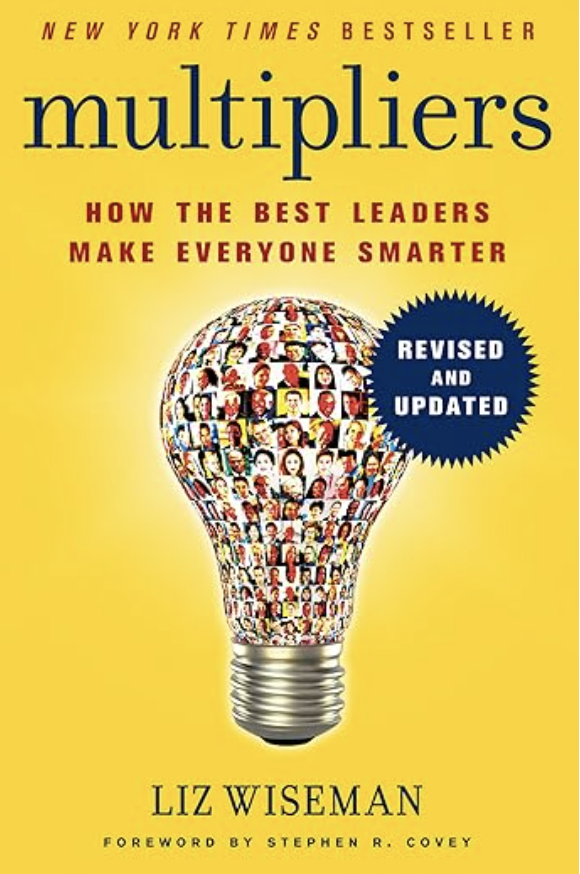
📚Beard’s collection:
🌎 This week in Here - There - Every F’ing where
This week we joined Mike Mahony of Gaining the Technology Leadership Edge podcast.
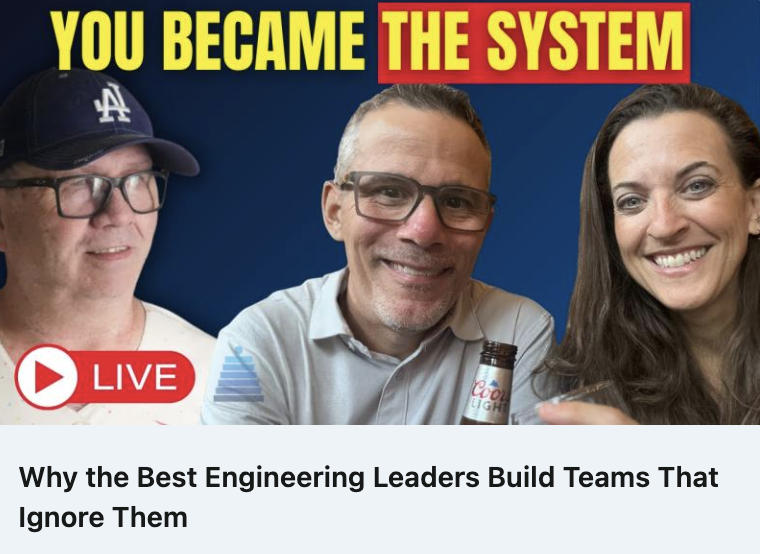
Check it out here.
And... we just saw a press release titled: The Business of You by Nick Coniglio and Marnie Stockman, Ed.D is Rewriting the Rules of Career Readiness. We love getting surprised by such things. Here is a link to the article.

Believe!
Nick & Marnie
P.S. Happy New Year!
|
||||||

Responses