
The Leadership Bench: Four Ted Lasso Characters Who Deserve a Spot in Our Assessment
Oct 23, 2026
When we wrote Lead It Like Lasso, we spent a ridiculous amount of time thinking about the leadership styles of our favorite AFC Richmond characters.
Ted, Rebecca, Roy, Keeley, and Sam. Five very different personalities with five very different approaches to leadership. Enough, in fact, that we created a character assessment to help people discover which Ted Lasso leader they most resemble.
But as we've continued watching, rewatching, and talking about Ted Lasso—particularly throughout Season 4—we've started wondering whether our original lineup needs a few more players.
We've even had readers and listeners ask us who we'd add.
Welp. That's a dangerous question to ask two people who have already written an entire book about a television show.
Because now we're considering it.
If we get two more seasons, there's a good chance we'll revisit the assessment. And four characters have already earned serious consideration.
Leslie Higgins: The Quiet Power of Servant Leadership
Let's give Leslie Higgins some credit.
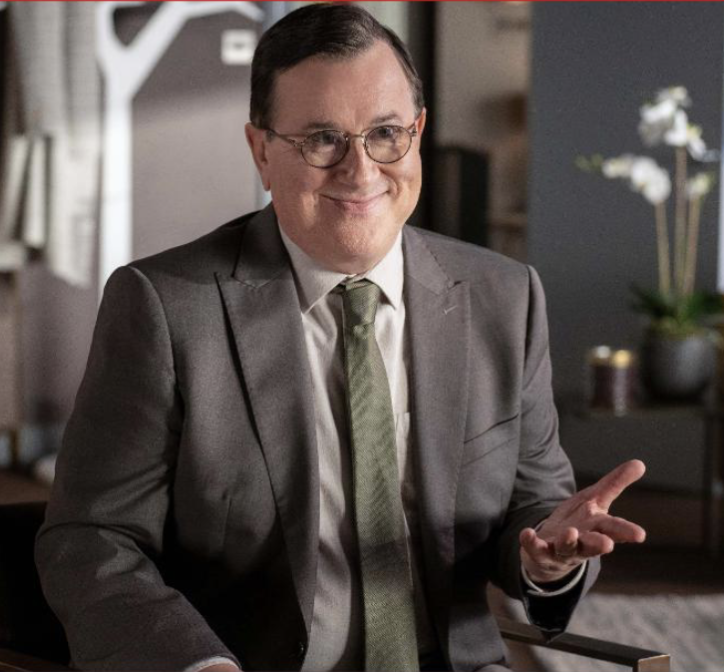
The man has spent years surrounded by enormous personalities, questionable decisions, and enough workplace drama to keep an HR department employed indefinitely.
And somehow, he remains one of the most emotionally intelligent people at AFC Richmond.
Higgins isn't particularly interested in being the center of attention. He's perfectly comfortable letting someone else take the spotlight, and he seems to understand something that plenty of executives spend their entire careers figuring out: leadership doesn't require an audience.
His strength is servant leadership.
He's the guy who notices what people need. He creates space for others, offers thoughtful advice, and helps keep the organization functioning while everyone else is having their latest existential crisis.
But here's what makes Higgins especially interesting.
He's learned to speak up.
Think back to the early seasons when Rebecca was using AFC Richmond as a vehicle for revenge against Rupert. Higgins knew what was happening. He went along with it for a while, and eventually, he had to confront the consequences of his silence.
That's an important part of his leadership journey.
Being supportive is wonderful. Being agreeable is considerably easier. Having the courage to tell someone you care about that they're making a terrible decision? That's where servant leadership gets tested.
Higgins demonstrates that you can be kind, humble, and accommodating while still having a backbone.
And we'd argue that every organization needs a Higgins.
Preferably several.
The Higgins leadership question: Are you making the people around you better, even when nobody notices you're doing it?
Coach Beard: The Art of Being the Perfect Number Two
We have a soft spot for Coach Beard.
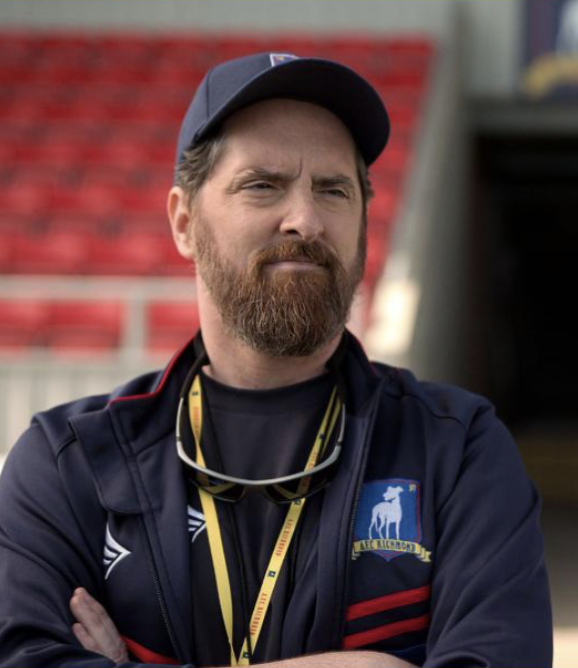
Anyone who can communicate that much with a raised eyebrow deserves some sort of professional recognition.
Beard is fascinating because he has absolutely no need to compete with Ted for attention.
He's comfortable being the second chair. And before anyone mistakes that for a lack of ambition, consider how much confidence it takes to be excellent at your job without constantly needing everyone to acknowledge it.
Beard's leadership style is built around strategic partnership.
He studies the game. He observes people. He recognizes patterns. He provides the tactical expertise that complements Ted's ability to connect with players.
And, importantly, he knows Ted's blind spots.
One of the best examples comes from Season 2, when Beard confronts Ted about his continued treatment of Nate after Nate has betrayed the team.
Beard doesn't simply agree with Ted because they're friends. He challenges him because he cares about him and the team.
That's what makes a great strategic partner.
There are plenty of people who will tell a leader what they want to hear. Beard understands that loyalty sometimes requires an uncomfortable conversation.
Of course, Beard is hardly a flawless human being. His personal choices have occasionally made us wonder whether he should be dispensing advice or receiving considerably more of it.
But that makes him an even more interesting character.
He's a reminder that people can possess extraordinary professional wisdom while still being works in progress personally.
(For those of you playing along at home, that describes a fairly significant percentage of the human population.)
Beard also raises a question we don't discuss nearly enough in leadership development.
Why are we so obsessed with turning every talented person into the person in charge?
Some people are extraordinary partners. They make the leader better, the team smarter, and the organization stronger.
That is a leadership contribution worth celebrating.
The Beard leadership question: Can you challenge the person you're supporting without needing to take their place?
Alice Chilton: The Leader Who Helps You Think
Alice is probably the most obvious addition to our assessment from Season 4.
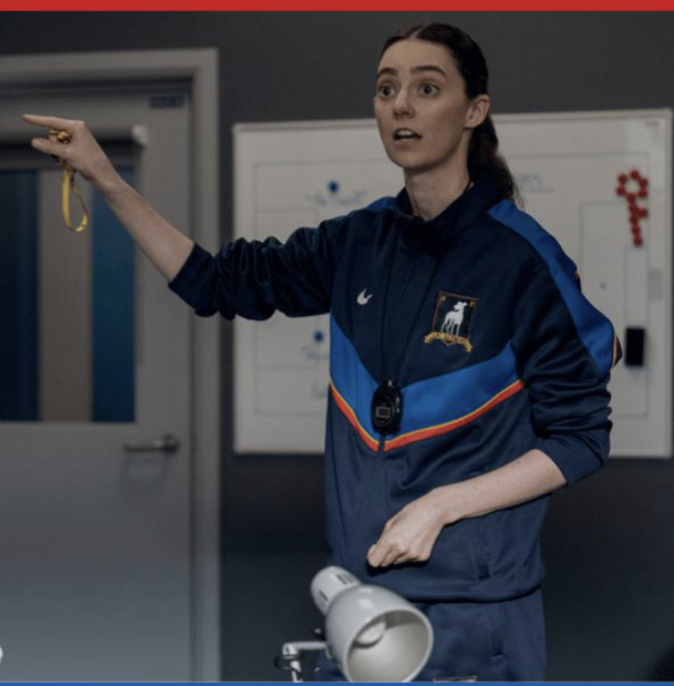
And we suspect we're going to have a lot more to say about her if the writers give us another couple of seasons.
What makes Alice interesting is how she approaches problems.
She listens. She observes. She challenges assumptions. And she seems remarkably comfortable allowing people to sit with an uncomfortable idea long enough to figure something out for themselves.
We loved her discussion about the difference between facts and interpretations.
Because, goodness, do we humans enjoy confusing those two things.
Someone doesn't respond to our email.
Fact: They haven't responded.
Interpretation: They're ignoring us, they hate our idea, and apparently we've ruined the entire professional relationship.
That's a lot of storytelling from one unanswered email.
Alice's leadership approach encourages people to examine the conclusions they've drawn before reacting to them.
We'd call her the reflective leader.
And there's something especially powerful about this style because it creates independence.
When someone comes to you with a problem, it's tempting to jump in with advice. Particularly when you have experience, expertise, or a fairly strong opinion about what they should do.
Alice's approach asks for a little more patience.
Can you help someone examine their thinking? Can you ask a question that opens up a possibility they hadn't considered? Can you resist the urge to solve something simply because you know how?
That takes discipline.
It also requires a healthy amount of humility.
You have to accept that someone else might arrive at a different conclusion than you would.
And they might even be right.
Imagine that.
The Alice leadership question: Do people leave conversations with you thinking more clearly, or simply knowing what you think?
Mae Green: The Leadership of Belonging
We have loved Mae since the beginning.
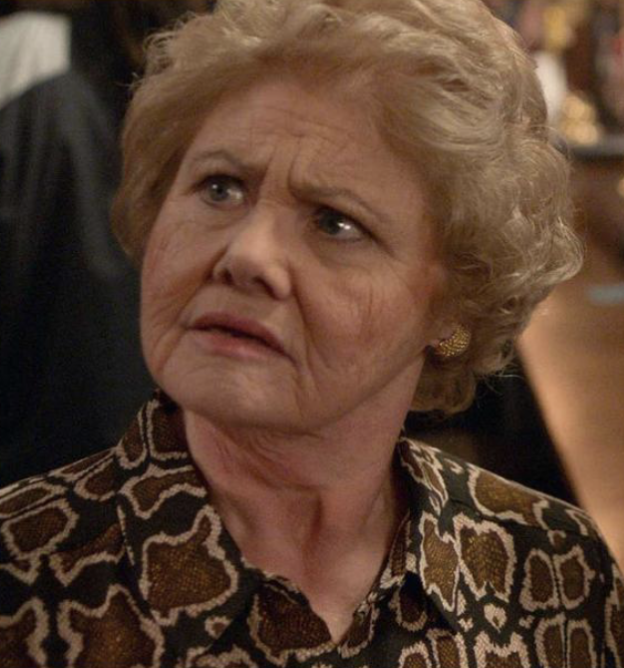
She runs a pub full of passionate football fans, manages three men who seem to have unlimited time to discuss AFC Richmond, and has absolutely no trouble telling someone when they're being an idiot.
Frankly, she's qualified to run most Fortune 500 companies.
But Mae's leadership is worth examining beyond the laughs.
She's a community leader.
Mae understands people. She knows who belongs, who needs encouragement, who needs a reality check, and when the right response is simply to make someone feel welcome.
Her authority doesn't come from an organizational chart.
It comes from relationships.
People listen to Mae because she's earned their trust. They know she cares about them, and they also know she's not particularly interested in pretending everything is fine when it isn't.
That's a powerful combination.
Think about what makes the Crown & Anchor such an important part of the show.
It's where people gather, argue, celebrate, complain, and process whatever AFC Richmond has managed to put them through that week.
Mae has created an environment where people feel connected to something larger than themselves.
And while that might sound like a nice little bonus, anyone who's ever tried to build a strong workplace culture knows how difficult it can be.
Belonging doesn't happen because somebody puts the word on a poster in the break room.
It develops through everyday interactions, shared experiences, trust, and the confidence that people can show up as themselves.
Mae also demonstrates that leadership can come from outside the organization.
She's not on AFC Richmond's payroll. She doesn't attend the coaching meetings. She isn't responsible for team strategy.
Yet her influence on the Richmond community is undeniable.
And we love that.
The Mae leadership question: Do people feel more connected, valued, and willing to contribute because you're part of their community?
So, Who Makes the Team?
Here's where things get interesting.
When we created our original character assessment, we wanted people to recognize their own leadership tendencies in characters they already knew and loved.
Ted's optimism. Rebecca's determination. Roy's intensity. Keeley's ability to connect. Nate's attention to detail. Jamie's evolving understanding of teamwork.
And one of the things we've always loved about Ted Lasso is that the characters are gloriously imperfect.
They get things wrong. They make spectacularly questionable decisions. Occasionally, they learn something.
Sounds about right for the rest of us.
But these four potential additions would bring something valuable to the assessment.
Higgins reminds us to pay attention to the people quietly holding everything together.
Beard represents the strategic partners who make everyone around them more effective.
Alice demonstrates how much influence someone can have by helping others examine their thinking.
And Mae shows us that building a community is itself a form of leadership.
What's especially interesting is how differently they exercise influence.
Higgins works behind the scenes. Beard challenges from beside the leader. Alice creates room for reflection. Mae builds relationships that hold a community together.
We suspect most of us recognize pieces of ourselves in more than one of them.
Which brings us to another question.
Can your leadership style change?
Roy Kent certainly gives us reason to believe it can. So does Nate. And Jamie. And Rebecca.
Actually, the more we think about it, the harder it becomes to find a character who hasn't changed in some meaningful way.
That's part of the fun of this show. We get to watch people figure themselves out over time, usually with a few spectacular detours along the way.
And maybe that's something our assessment should eventually reflect, too.
The Leadership Bench Is Officially Open
We're not quite ready to rewrite the assessment. We'd like to see what the writers have in store if Ted Lasso continues for another two seasons.
But we're keeping a list.
And now we'd love your help.
Which character deserves a spot in the next version of our Lead It Like Lasso leadership assessment?
Are you Team Higgins, quietly making everyone around you better?
Team Beard, offering the wisdom and occasional uncomfortable truth that a great partner provides?
Team Alice, helping people sort through their own thinking?
Or Team Mae, creating the kind of community people want to be part of?
And if we've overlooked someone, tell us. We fully expect a few passionate arguments on behalf of your favorite characters.
After all, we've spent four seasons watching AFC Richmond prove that a team needs a lot more than one kind of leader.
Might as well make room on the bench.
— Marnie & Nick
Want to know which AFC Richmond leader you resemble? Take our Lead It Like Lasso character assessment, and then come back and tell us who you think should be added next.
Stay connected with news and updates!
Join our mailing list to receive the latest news and updates from our team.
Don't worry, your information will not be shared.
We hate SPAM. We will never sell your information, for any reason.
